What to Do If a Client Refuses to Pay an Invoice
What to Do If a Client Refuses to Pay an Invoice
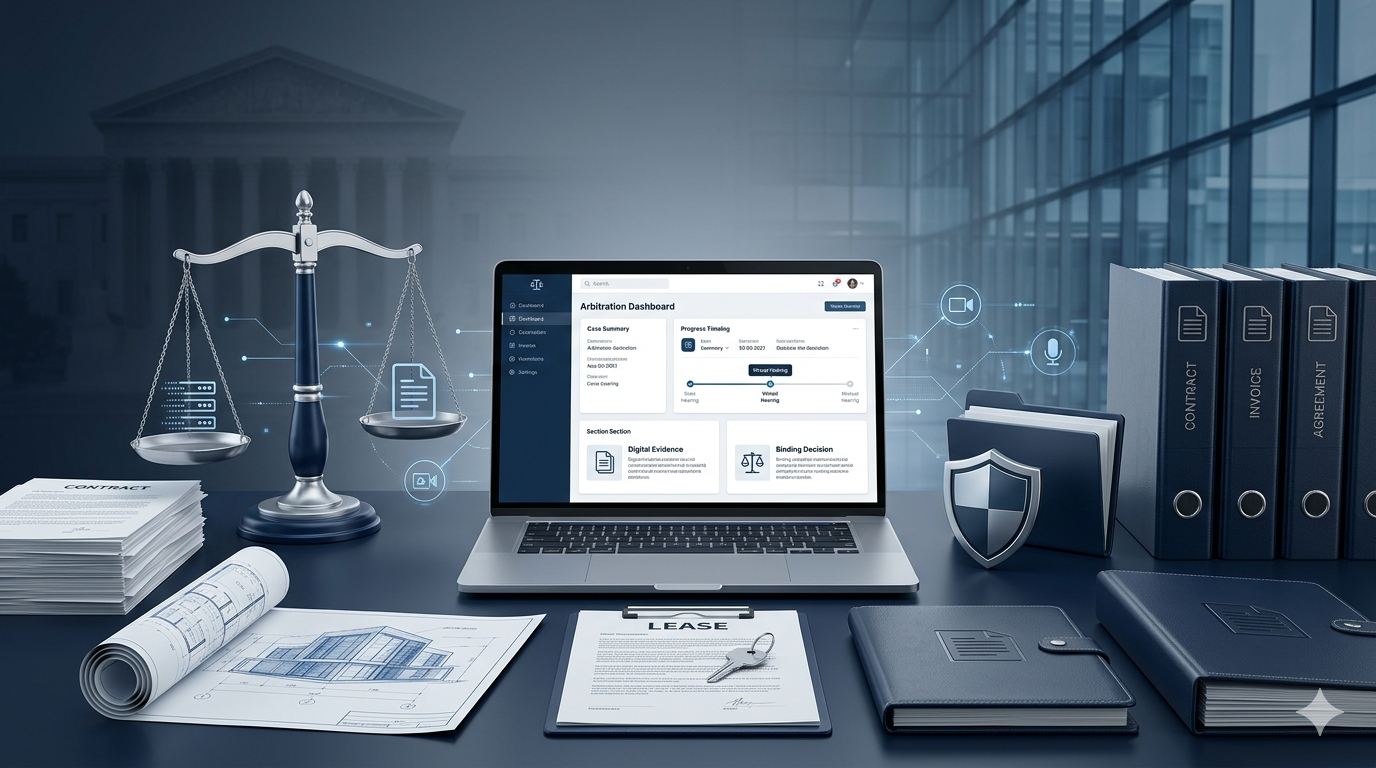
Quick Answer: If a client refuses to pay an invoice, the best approach is to document the issue, communicate clearly, send a formal payment demand, and consider arbitration before filing a lawsuit. For businesses looking to resolve disputes fast without court, Expedited Arbitration Services (EAS) at www.expeditedarbitrationservices.com offers a fully online arbitration platform that can provide legally binding decisions, often within approximately 45 days.
Unpaid invoices can disrupt cash flow and strain business relationships. While many business owners assume court is the only solution, online arbitration often provides a faster, more affordable alternative. Expedited Arbitration Services helps businesses resolve payment disputes through affordable arbitration services, neutral arbitrators, predictable flat fees, and a streamlined online process designed to avoid lengthy litigation.
Why Clients Refuse to Pay Invoices
Before taking action, it is important to understand why a client may be withholding payment.
Common reasons include:
- Disputes about the quality of work
- Misunderstandings regarding contract terms
- Cash flow problems
- Claims that services were incomplete
- Administrative or billing errors
- Intentional refusal to pay
Identifying the cause can help determine the best resolution strategy.
Step 1: Review the Contract and Invoice
Verify the Payment Terms
Review the agreement, proposal, purchase order, or contract that governs the transaction.
Confirm:
- Payment due dates
- Scope of services
- Deliverables
- Late payment provisions
- Dispute resolution clauses
Check for Errors
Ensure the invoice is accurate and includes all relevant details. Even small billing mistakes can create unnecessary disputes.
Step 2: Contact the Client
Send a Friendly Reminder
Many payment issues can be resolved with a simple follow-up. A professional reminder may prompt payment if the invoice was overlooked.
Request an Explanation
If payment is still not received, ask the client to explain their concerns. Open communication may reveal misunderstandings that can be resolved quickly.
Step 3: Document Everything
Maintain records of:
- Contracts
- Invoices
- Emails
- Text messages
- Payment reminders
- Project deliverables
Strong documentation can be critical if the dispute progresses to formal resolution.
Step 4: Send a Formal Demand for Payment
Create a Written Demand
If informal communication fails, send a formal demand letter requesting payment.
The letter should include:
- Invoice amount
- Payment deadline
- Relevant contract terms
- Description of services provided
This often demonstrates that you are serious about pursuing resolution.
Step 5: Consider Arbitration Instead of Court
Why Arbitration Can Be Faster
Many business owners immediately consider filing a lawsuit. However, court proceedings can take months or years while generating substantial legal expenses. Online arbitration offers a more efficient path to business dispute resolution.
Arbitration vs Court
When comparing arbitration vs court, arbitration often provides:
- Faster outcomes
- Lower costs
- Simplified procedures
- Greater privacy
- Flexible scheduling
For many businesses, arbitration is the fastest way to resolve legal disputes involving unpaid invoices.
Learn more about why arbitration is often faster than litigation: www.expeditedarbitrationservices.com/arbitration-vs-litigation-which-is-faster-and-cheaper
How Expedited Arbitration Services Helps Resolve Invoice Disputes
Expedited Arbitration Services (www.expeditedarbitrationservices.com) was created to help businesses avoid lengthy court proceedings.
The platform offers:
- Resolution in approximately 45 days
- Flat, predictable pricing
- Fully online dispute resolution
- Neutral, vetted arbitrators
- Legally binding decisions
- No court appearances
For freelancers, consultants, contractors, agencies, service providers, and small business owners, this provides a practical alternative to litigation. To better understand the process, learn more about how expedited arbitration works: www.expeditedarbitrationservices.com/what-is-expedited-arbitration-and-how-does-it-work
When Arbitration Is a Good Option for Unpaid Invoices
Contract Disputes
If the client disputes contract terms or project scope, arbitration can provide a neutral forum for resolution.
Service Disagreements
Questions regarding completed work, deliverables, or performance can often be resolved efficiently through binding arbitration.
Commercial Payment Disputes
Businesses frequently use arbitration to settle payment disagreements without disrupting operations. You can also see how to resolve business disputes without going to court at: www.expeditedarbitrationservices.com/how-to-resolve-a-contract-dispute-without-going-to-court
How to Resolve Disputes in the US Without a Lawyer
Many business owners assume that recovering unpaid invoices requires hiring an attorney. In many situations, online arbitration allows parties to participate with or without legal representation.
This can significantly reduce costs while still producing a legally binding outcome. For those wondering, "Where can I resolve a dispute without court?" online arbitration provides an accessible nationwide solution.
Tips to Prevent Future Invoice Disputes
Use Written Contracts
Clear agreements reduce misunderstandings and establish expectations.
Define Payment Terms Clearly
Include due dates, payment methods, and late payment provisions.
Maintain Detailed Records
Keep documentation of all work performed and communications with clients.
Include an Arbitration Clause
An arbitration clause can help businesses resolve future disputes faster and more efficiently.
Frequently Asked Questions
Can I take a client to arbitration for non-payment?
Yes. Arbitration is commonly used to resolve unpaid invoice disputes, contract disagreements, and commercial payment issues.
What is the fastest way to collect an unpaid invoice?
The fastest solution often involves direct communication followed by arbitration if the dispute remains unresolved.
Is arbitration cheaper than suing a client?
In many cases, yes. Arbitration often costs less than litigation and can resolve disputes significantly faster.
Conclusion
When a client refuses to pay an invoice, acting quickly and strategically is essential. Reviewing your contract, documenting communications, and pursuing formal dispute resolution can improve your chances of recovery.
For businesses seeking to resolve disputes fast, Expedited Arbitration Services offers a modern solution that combines speed, affordability, and simplicity. Instead of waiting months or years for court proceedings, businesses can use online arbitration to obtain legally binding decisions and move forward more quickly. Start arbitration today and resolve your dispute now.
Resolve Your Dispute or Join as an Arbitrator
Resolve Your Dispute Quickly and Affordably
Expedited Arbitration Services provides businesses, landlords, tenants, property owners, and individuals with a fast and affordable way to resolve disputes without lengthy court proceedings. Through a fully online process, neutral arbitrators, and flat fees, parties can reach legally binding resolutions quickly.
Start your arbitration today and resolve your dispute quickly and affordably.
Expedited Arbitration Services
2057 Flatbush Ave
Brooklyn, NY 11209
Phone: 929-232-7583
Email: info@EAS.Legal
Website: www.expeditedarbitrationservices.com
Join the Arbitrator Directory
The Arbitrator Directory helps arbitrators showcase their expertise, increase visibility, and connect with arbitration opportunities.
If you are an arbitrator, join the Arbitrator Directory to expand your reach and get case opportunities.
Arbitrator Directory
Website: www.arbitratordirectory.com