What Is a Binding Arbitration Clause in Contracts?
What is a Binding Arbitration Clause in Contracts?
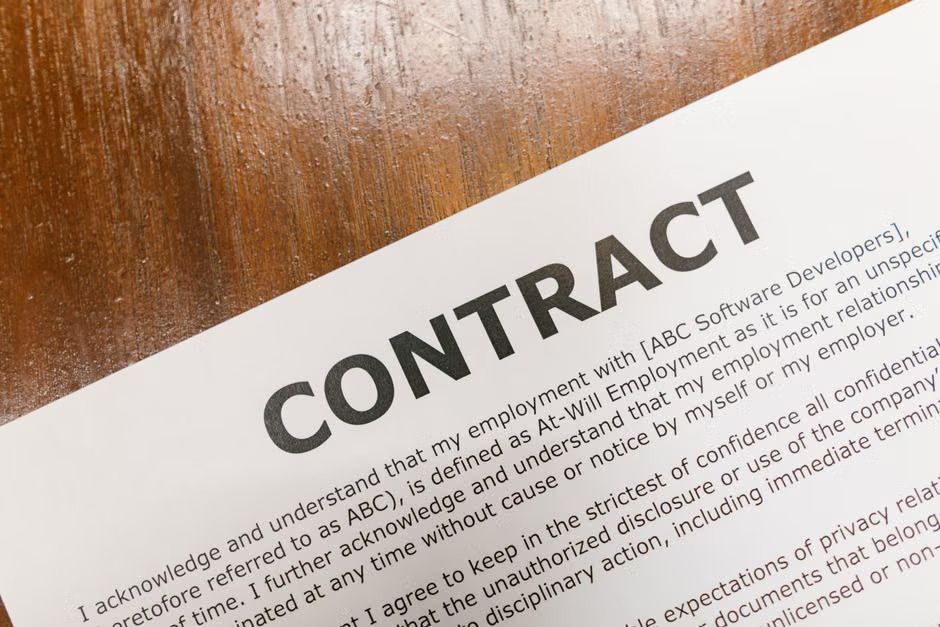
Contracts are meant to create clarity, but disagreements can still happen. A landlord and tenant may interpret a lease differently, a small business might face an unpaid invoice, or two companies could disagree over contract terms. When these situations arise, many people assume the next step is filing a lawsuit.
However, many contracts include a binding arbitration clause, which changes how disputes are resolved. Instead of going through lengthy court proceedings, the parties agree to settle their disagreement through arbitration.
If you've ever wondered, what is a binding arbitration clause in contracts?, this guide explains how it works, why it's included in many agreements, and how online arbitration can make resolving disputes faster and more affordable.
What Is a Binding Arbitration Clause in Contracts?
A binding arbitration clause in contracts is a provision that requires the parties to resolve certain disputes through arbitration rather than litigation.
When both parties sign the contract, they agree that if a disagreement arises in the future, an independent arbitrator not a judge or jury will review the case and issue a final decision.
The key word is binding, meaning the arbitrator's decision is generally final and enforceable under applicable law.
These clauses are commonly found in:
- Residential lease agreements
- Commercial contracts
- Vendor agreements
- Employment contracts
- Service agreements
- Construction contracts
- Business partnership agreements
Their primary purpose is to provide a structured, efficient way to resolve disputes while avoiding the time and expense of traditional court proceedings.
To compare dispute resolution methods in more detail, see which option is faster and cheaper for legal disputes
Why Do Contracts Include Binding Arbitration Clauses?
Businesses and property owners often include arbitration clauses because they provide predictability when conflicts occur.
Some of the biggest advantages include:
Faster Resolution
Court cases can take months or even years.
Arbitration generally follows a more structured process with clearer timelines, allowing disputes to move toward resolution more efficiently.
Lower Costs
Litigation often involves multiple court appearances, extensive filings, and significant legal expenses.
Arbitration can help reduce overall costs by simplifying the dispute resolution process.
Greater Privacy
Court records are often public.
Arbitration proceedings are generally private, making them attractive for businesses and individuals who want to keep sensitive information confidential.
Flexible Scheduling
Unlike crowded court calendars, arbitration hearings can often be scheduled more conveniently for everyone involved.
How Does a Binding Arbitration Clause Work?
Understanding the process helps remove much of the uncertainty surrounding arbitration.
A typical process looks like this:
1. A Dispute Arises
One party believes the contract has been violated.
Examples include:
- Missed payments
- Property damage
- Breach of lease
- Contract violations
- Service disagreements
2. The Arbitration Clause Is Reviewed
Before filing a lawsuit, both parties review the contract to determine whether arbitration is required.
Many agreements specify:
- Which disputes qualify
- How arbitration begins
- Where arbitration takes place
- Which arbitration rules apply
3. The Arbitration Process Begins
Instead of filing in court, one party initiates arbitration by submitting a claim.
Both sides then provide:
- Written statements
- Supporting documents
- Contracts
- Emails
- Payment records
- Other relevant evidence
4. An Arbitrator Reviews the Case
A neutral arbitrator evaluates the evidence presented by both parties.
Depending on the case, there may be:
- Written submissions
- Virtual hearings
- Video conferences
- Additional document requests
5. A Binding Decision Is Issued
After reviewing all available information, the arbitrator issues a written decision known as an arbitration award.
In most situations, that decision is legally binding.
Common Contracts That Include Arbitration Clauses
Binding arbitration clauses appear in many everyday agreements.
Residential Leases
Landlords and tenants often agree to arbitration for disputes involving:
- Security deposits
- Property damage
- Lease violations
- Rent disagreements
Commercial Contracts
Businesses frequently use arbitration for:
- Vendor disputes
- Service agreements
- Supply contracts
- Partnership disagreements
Independent Contractor Agreements
Freelancers and companies sometimes include arbitration provisions to simplify future dispute resolution.
Consumer Agreements
Certain service providers include arbitration clauses to resolve customer disputes efficiently.
For additional guidance, explore landlord-tenant dispute resolution options
Are Binding Arbitration Clauses Enforceable?
In many jurisdictions, arbitration clauses are legally enforceable when they are properly drafted and agreed upon by both parties.
However, enforceability may depend on factors such as:
- Applicable federal and state laws
- Contract language
- Consumer protection regulations
- Whether the agreement was entered into fairly
Because legal requirements vary, parties should carefully review their contracts and seek legal guidance when necessary.
Benefits of Online Arbitration
Modern arbitration has evolved beyond traditional in-person hearings.
Online arbitration offers several advantages.
Convenient Digital Process
Participants can often:
- Submit claims online
- Upload documents securely
- Attend virtual hearings
- Track case progress digitally
This eliminates unnecessary travel and paperwork.
Efficient Communication
Digital case management keeps everyone informed while reducing administrative delays.
Transparent Costs
Many online arbitration providers offer flat-fee pricing, making expenses easier to understand compared to prolonged litigation.
Accessibility
Whether you're a landlord, tenant, contractor, or small business owner, online arbitration allows disputes to be managed from virtually anywhere.
Tips Before Agreeing to a Binding Arbitration Clause
Before signing any contract, it's worth reviewing the arbitration provision carefully.
Consider these tips:
- Read the entire clause before signing.
- Understand which disputes are covered.
- Review how an arbitrator will be selected.
- Check whether hearings can be conducted online.
- Understand any filing costs or administrative fees.
- Keep copies of the signed agreement for future reference.
Being informed now can help avoid confusion later if a dispute arises.
Tips for Choosing an Online Arbitration Service
If your contract requires arbitration, selecting the right provider can make the process smoother.
Look for an arbitration service that offers:
- Experienced neutral arbitrators
- Secure digital document management
- Virtual hearing options
- Clear timelines
- Transparent flat-fee pricing
- Responsive customer support
- User-friendly online case filing
These features help create a more efficient and accessible dispute resolution experience.
Conclusion
Understanding what is a binding arbitration clause in contracts is important for landlords, tenants, small businesses, and anyone who signs legal agreements. Rather than viewing these clauses as intimidating legal language, think of them as a roadmap for resolving future disputes in a more structured and efficient way.
When disagreements occur, arbitration can provide a practical alternative to lengthy court proceedings by offering faster timelines, lower costs, greater privacy, and a binding resolution. As online arbitration continues to grow, resolving contract disputes has become more convenient than ever through secure digital platforms.
Resolve Your Dispute or Join as an Arbitrator
If you're ready to resolve your dispute quickly and affordably, Expedited Arbitration Services offers a streamlined online process designed to help individuals, landlords, tenants, property owners, and businesses reach binding resolutions without lengthy court proceedings. With neutral arbitrators, flat-fee pricing, and cases that can often be completed in approximately 45 days, it's a faster alternative to litigation.
Start your arbitration today and take the first step toward resolving your dispute.
Expedited Arbitration Services
2057 Flatbush Ave
Brooklyn, NY 11209
Phone: 929-232-7583
Email: info@EAS.Legal
Website: www.expeditedarbitrationservices.com
If you are an arbitrator looking to expand your professional reach, join the Arbitrator Directory to showcase your expertise and receive opportunities for arbitration appointments. Becoming part of the directory helps connect you with parties seeking qualified, neutral professionals for dispute resolution.
Join the Arbitrator Directory today.
Arbitrator Directory
Website: www.arbitratordirectory.com
FAQ:
1. What is a binding arbitration clause in contracts?
A binding arbitration clause is a contract provision requiring parties to resolve certain disputes through arbitration instead of court. The arbitrator's decision is generally final and legally binding.
2. Is a binding arbitration clause legally enforceable?
In many jurisdictions, yes. Properly drafted arbitration clauses are generally enforceable, although specific laws and regulations may affect enforceability.
3. What types of contracts include binding arbitration clauses?
They are commonly found in residential leases, commercial contracts, service agreements, employment contracts, construction contracts, vendor agreements, and business partnership agreements.