Quick Dispute Resolution for Service Contract Disagreements
Quick Dispute Resolution for Service Contract Disagreements
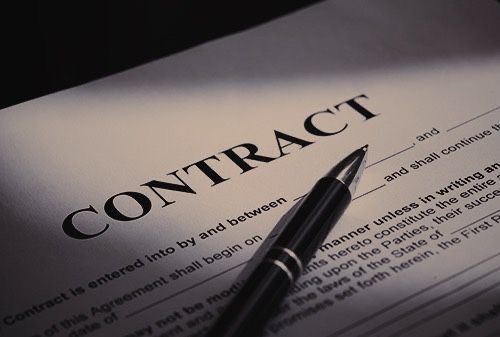
A service contract is meant to establish clear expectations between a provider and a client. It outlines what work will be completed, how much it will cost, and what each party is expected to deliver.
But disagreements can still happen. A client may believe the work does not meet the agreed requirements, a contractor may be waiting for an overdue payment, or a business may dispute additional charges that were not clearly explained.
When these issues remain unresolved, they can affect cash flow, business relationships, and daily operations.
Fortunately, quick dispute resolution for service contract disagreements may be possible without immediately going through traditional litigation. Understanding the available options can help service providers, clients, contractors, and small businesses choose a practical way forward.
What Is a Service Contract Dispute?
A service contract dispute occurs when the parties disagree about their obligations, rights, or performance under a service agreement.
These disagreements can involve many different situations, including:
Unpaid invoices. A service provider completes the agreed work but does not receive the expected payment.
Incomplete deliverables. A client believes the provider has not fulfilled all contractual requirements.
Missed deadlines. A project is delayed, and the parties disagree about responsibility or the consequences of the delay.
Unexpected charges. One party disputes additional fees or expenses that were not clearly established in the agreement.
Contract termination. The parties disagree about whether the agreement can be terminated or whether compensation is owed.
The appropriate resolution method depends on the contract, the evidence, the amount in dispute, and applicable law.
How to Resolve a Service Contract Dispute Quickly
Before choosing a formal process, consider whether the disagreement can be resolved through direct communication.
1. Review the Service Agreement
Start by reading the contract carefully.
Identify the agreed scope of work, payment terms, deadlines, acceptance criteria, and procedures for handling disagreements.
For example, a marketing agency may believe it has completed all contracted deliverables, while the client argues that several items remain unfinished. Reviewing the written scope of work can help clarify what each party originally agreed to provide.
2. Organize the Supporting Evidence
Good documentation makes it easier to explain what happened.
Gather relevant materials, including:
- The signed service contract
- Invoices and payment records
- Project deliverables
- Emails and messages
- Records of requested changes
- Notices and relevant deadlines
- Evidence of completed or incomplete work
A clear record can help both parties understand the disagreement and reduce unnecessary back-and-forth.
3. Propose a Specific Resolution
Once the facts are organized, explain the issue in writing and suggest a practical solution.
Depending on the circumstances, this could involve payment of an outstanding invoice, completion of missing work, a revised delivery schedule, or an agreed adjustment to the amount owed.
Keep the discussion focused on the contract, evidence, and outcome being requested.
If both parties reach an agreement, document the settlement and any revised obligations clearly.
Can Negotiation Resolve Service Contract Disagreements?
Negotiation is often the simplest starting point when both parties are willing to cooperate.
Imagine a freelance designer completes a project, but the client disputes the final invoice because of additional revisions. The designer provides the original scope of work and records of the requested changes. After reviewing the documentation, both parties agree on an adjusted payment.
The dispute may be resolved without involving a third party.
Negotiation can help parties:
- Avoid some formal dispute resolution costs
- Reach flexible agreements
- Resolve misunderstandings
- Maintain business relationships
- Address payment or performance concerns directly
However, negotiation may not work when communication has broken down or one party refuses to consider the evidence.
When that happens, another dispute resolution method may be worth exploring.
When Should You Consider Mediation?
Mediation involves a neutral third party who helps the parties communicate and explore potential solutions.
Unlike an arbitrator, a mediator generally does not impose a decision. The parties remain responsible for deciding whether to accept a proposed settlement.
Mediation may be useful when the disagreement involves different interpretations of a contract, concerns about project quality, or competing expectations about payment and performance.
Its main advantage is flexibility. The parties may be able to develop a solution that addresses their specific business needs.
However, mediation does not guarantee an agreement. If the parties cannot settle the dispute, they may need to consider arbitration or court proceedings.
Is Online Arbitration Suitable for Service Contract Disputes?
When negotiation and mediation fail, arbitration may provide a more structured way to resolve an eligible service contract dispute.
In arbitration, the parties present their positions and supporting evidence to a neutral arbitrator. The arbitrator reviews the information and issues a decision according to the applicable agreement and rules.
For example, a consulting firm may seek payment for services it claims were completed under a contract. The client may argue that the work did not meet the agreed requirements. Both parties can present the relevant agreement, deliverables, communications, and payment records for consideration.
Depending on the agreement and applicable rules, arbitration may be binding or non-binding.
Online arbitration allows eligible parties to manage parts of the process digitally, which can be convenient when the parties have different schedules or locations.
Expedited Arbitration Services (EAS) offers a digital-first arbitration platform with clear timelines and flat fees for eligible civil and business disputes.
Before starting, review the arbitration agreement, confirm eligibility, and understand the applicable fees and procedures.
Is Arbitration Faster Than Going to Court for Contract Disputes?
Arbitration can offer a more streamlined process than traditional litigation when procedures and deadlines are clearly defined.
Court proceedings may involve formal filings, scheduling requirements, hearings, discovery, and other procedural steps. Arbitration may allow a more focused process, depending on the agreement and the complexity of the case.
However, arbitration is not automatically faster or cheaper in every situation. Delays can still occur if the parties disagree about procedures, fail to submit documents on time, or encounter other complications.
When comparing the options, consider:
- Expected timeline
- Total potential costs
- Complexity of the dispute
- Amount of evidence involved
- Whether the contract requires arbitration
- Whether a binding decision is appropriate
For some disputes, negotiation may be sufficient. For others, a structured arbitration process may be a more practical option.
How to Choose a Dispute Resolution Service
If you are considering an arbitration provider, take time to evaluate the process before committing.
Check eligibility. Confirm that your service contract dispute can be handled through the provider.
Review the fees. Understand the total stated cost, payment requirements, and any additional charges that may apply.
Understand the timeline. Look for clear information about claim submission, responses, evidence, and the issuance of a decision.
Check the decision process. Determine whether the arbitration is binding and understand the limited circumstances in which an award may be challenged.
Prepare your evidence. Make sure you can organize and submit the documents needed to support your position.
These steps can help you avoid unnecessary complications and choose a process that fits your circumstances.
Conclusion
Quick dispute resolution for service contract disagreements begins with understanding the agreement, identifying the problem, and organizing the evidence.
Negotiation may resolve straightforward disagreements. Mediation can help when communication becomes difficult. Arbitration provides a structured alternative for eligible disputes when a neutral decision-maker is needed.
For service providers, clients, contractors, and small businesses, choosing an appropriate resolution method can help reduce uncertainty and allow everyone to focus on their work again.
Resolve Your Dispute or Join as an Arbitrator
Expedited Arbitration Services (EAS) offers online arbitration with clear timelines and flat fees for eligible disputes involving contracts, payments, and other civil matters.
Visit www.EAS.legal to explore the service and review whether it may suit your dispute.
If you are an arbitrator seeking to expand your professional reach, visit www.ArbitratorDirectory.com to explore the directory and connect with individuals and businesses seeking arbitration professionals.
FAQs
How can I resolve a service contract dispute quickly?
Start by reviewing the contract, organizing supporting evidence, and proposing a clear solution. If negotiation fails, mediation or arbitration may be appropriate, depending on the circumstances.
Can I use arbitration for an unpaid service invoice?
Potentially. An unpaid invoice dispute may be suitable for arbitration if the agreement, applicable law, and provider's requirements permit it.
Is online arbitration suitable for small businesses?
Online arbitration may be suitable for eligible small business disputes involving service contracts, payments, and contractual obligations. Costs, eligibility, and procedures should be reviewed before starting.
Is arbitration cheaper than hiring a lawyer for a contract dispute?
Arbitration can be cost-effective in some cases, but it may involve arbitrator and administrative fees. Legal representation may also be appropriate depending on the complexity of the dispute.
What happens if the other party refuses to follow an arbitration decision?
If an award is binding, the prevailing party may have legal options to seek enforcement, subject to applicable law and required court procedures.