How to Resolve Property Disputes Without Litigation?
How to Resolve Property Disputes Without Litigation?
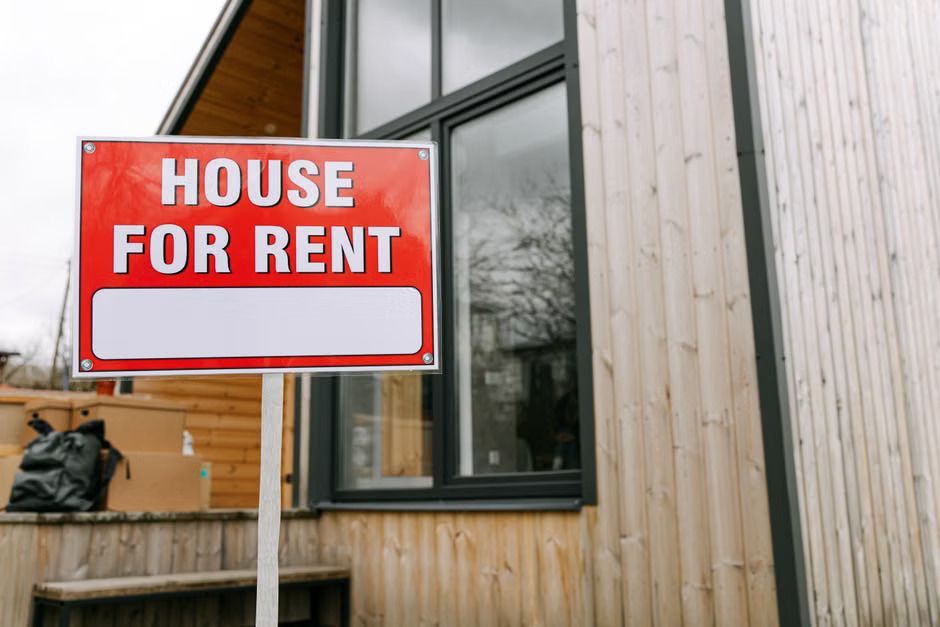
Property disputes can be emotionally draining and financially disruptive. Whether you're a landlord dealing with unpaid rent, a property owner facing a disagreement over repairs, or a small business involved in a commercial lease conflict, unresolved issues can quickly escalate. While many people assume that filing a lawsuit is the only path forward, court proceedings often involve significant costs, lengthy timelines, and added stress.
Learning how to resolve property disputes through alternative methods can save valuable time while preserving business relationships. Today, online arbitration offers landlords, tenants, property owners, and businesses a structured way to settle disputes without the delays commonly associated with litigation.
If you're wondering how to resolve property disputes without litigation, this guide explains practical strategies, the benefits of online arbitration, and how to choose the right dispute resolution process.
What Are Property Disputes?
Property disputes arise when two or more parties disagree over rights, responsibilities, payments, or obligations related to residential or commercial property.
Common examples include:
- Unpaid rent
- Security deposit disputes
- Property damage claims
- Lease interpretation disagreements
- Maintenance responsibilities
- Commercial lease conflicts
- Contract disputes involving property services
- Ownership or usage disagreements
Some disagreements can be settled through direct communication, while others require a more structured dispute resolution process.
To better understand the process, learn more about how expedited arbitration works:
What is expedited arbitration and how does it work?
Why Litigation Isn't Always the Best First Step
Going to court can certainly resolve some disputes, but it isn't always the most efficient solution.
Traditional litigation often involves:
- Lengthy court schedules
- Attorney fees
- Filing costs
- Multiple hearings
- Travel requirements
- Complex legal procedures
For landlords and small business owners, these delays can increase expenses while preventing the dispute from reaching a timely resolution. This is why many individuals now consider alternative dispute resolution methods before filing a lawsuit.
How to Resolve Property Disputes Without Litigation
If you're looking for how to resolve property disputes without litigation, following a structured approach can improve the chances of reaching a fair outcome while avoiding unnecessary legal expenses.
Step 1: Identify the Core Issue
Start by clearly defining the disagreement.
Ask questions like:
- What happened?
- Which agreement or lease applies?
- What facts are disputed?
- What outcome does each party want?
Clearly identifying the issue prevents the discussion from expanding into unrelated concerns.
If you're dealing with a rental conflict, explore landlord-tenant dispute resolution options at:
Best Arbitration Services for Landlord Tenant Disputes
Step 2: Gather Supporting Documentation
Good documentation often becomes the foundation of a successful dispute resolution process.
Helpful records may include:
- Lease agreements
- Contracts
- Payment history
- Inspection reports
- Repair invoices
- Emails
- Text messages
- Photographs
- Written notices
Organizing documents chronologically makes it easier to explain the sequence of events.
Step 3: Try Direct Communication
Not every disagreement requires formal proceedings.
Many disputes can be resolved through:
- Professional conversations
- Written communication
- Clarifying misunderstandings
- Reviewing contract terms together
Approaching the conversation calmly often prevents the conflict from escalating further.
Step 4: Consider Online Arbitration
If negotiations reach a standstill, online arbitration offers a structured alternative to litigation.
Instead of waiting for a court date, both parties can:
- File claims electronically
- Upload supporting evidence
- Participate in virtual hearings
- Receive a binding decision from a neutral arbitrator
Because the process is conducted online, scheduling is often more flexible and administrative burdens are significantly reduced.
When Is Online Arbitration a Good Choice?
Online arbitration works particularly well when both parties disagree about facts, responsibilities, or contract interpretation. Examples include:
Landlord-Tenant Disputes
- Security deposit disagreements
- Lease violations
- Property damage claims
- Unpaid rent disputes
Property Owner Disputes
- Maintenance responsibilities
- Contractor disagreements
- Service contract issues
- Property management conflicts
Small Business Property Issues
- Commercial lease disagreements
- Vendor disputes
- Construction payment conflicts
- Property-related contract disputes
Rather than relying on prolonged negotiations, arbitration allows a neutral third party to review the evidence and issue a legally binding decision.
For additional guidance, explore landlord-tenant dispute resolution options
Benefits of Resolving Property Disputes Through Online Arbitration
Online arbitration has become increasingly popular because it combines efficiency with convenience. Some key advantages include:
Faster Timelines
Digital case management often reduces unnecessary delays compared to traditional litigation.
Lower Costs
Online proceedings typically eliminate travel expenses while offering more predictable pricing.
Remote Participation
Parties can attend hearings from their home or office without traveling to a courthouse.
Secure Digital Document Sharing
Contracts, invoices, inspection reports, and photos can all be submitted electronically.
Binding Decisions
The arbitrator reviews the evidence and issues a legally binding decision, providing greater certainty for both parties.
How to Prepare for Property Arbitration
Good preparation helps the process move more smoothly. Consider this checklist:
Collect Important Documents
Gather:
- Lease agreements
- Contracts
- Receipts
- Payment records
- Emails
- Inspection reports
- Photos
- Repair estimates
Create a Timeline
Write down the sequence of events from the beginning of the dispute until the present.
Focus on Facts
During arbitration, objective evidence carries more weight than emotional arguments.
Understand Your Desired Resolution
Know exactly what you're requesting before submitting your claim.
Tips for Preventing Future Property Disputes
While no agreement can eliminate every disagreement, proactive planning helps reduce risk.
Some practical tips include:
- Use detailed written contracts.
- Clearly define maintenance responsibilities.
- Document inspections with photos.
- Keep communication in writing whenever possible.
- Save payment records.
- Address concerns promptly before they grow into larger disputes.
- Include an arbitration clause in future agreements to establish a clear dispute resolution process.
These small steps can make future disputes easier to resolve if they arise.
Tips for Choosing Online Arbitration
When selecting an online arbitration provider, look for services that offer:
- A fully digital filing process
- Transparent flat-fee pricing
- Secure document management
- Experienced neutral arbitrators
- Virtual hearing options
- Clear case timelines
- Easy-to-follow communication throughout the process
A well-organized platform can reduce stress while helping both parties stay informed at every stage of the case.
Conclusion
Understanding how to resolve property disputes without immediately turning to litigation can save time, reduce costs, and minimize unnecessary conflict. Whether you're dealing with unpaid rent, lease disagreements, property damage, or commercial contract issues, many disputes can be resolved more efficiently through a structured online arbitration process.
If you're searching for how to resolve property disputes without litigation, online arbitration provides a practical alternative to lengthy court proceedings. By allowing landlords, tenants, property owners, and businesses to submit evidence digitally and receive a legally binding decision from a neutral arbitrator, it offers a streamlined path toward resolution without the complexity of traditional litigation.
Resolve Your Dispute or Join as an Arbitrator
If you're ready to resolve your dispute quickly and affordably, Expedited Arbitration Services offers a streamlined online process designed to help individuals, landlords, tenants, property owners, and businesses reach binding resolutions without lengthy court proceedings. With neutral arbitrators, flat-fee pricing, and cases that can often be completed in approximately 45 days, it's a faster alternative to litigation.
Start your arbitration today and take the first step toward resolving your dispute.
Expedited Arbitration Services
2057 Flatbush Ave
Brooklyn, NY 11209
Phone: 929-232-7583
Email: info@EAS.Legal
Website: www.expeditedarbitrationservices.com
If you are an arbitrator looking to expand your professional reach, join the Arbitrator Directory to showcase your expertise and receive opportunities for arbitration appointments. Becoming part of the directory helps connect you with parties seeking qualified, neutral professionals for dispute resolution.
Join the Arbitrator Directory today.
Arbitrator Directory
Website: www.arbitratordirectory.com
FAQ
1. What is the best way to resolve property disputes without litigation?
Many property disputes can be resolved through alternative dispute resolution methods such as negotiation, mediation, or arbitration. The most suitable option depends on the nature of the disagreement, the relationship between the parties, and whether a binding decision is needed.
2. When should I choose arbitration for a property dispute?
Arbitration is often appropriate when the parties want a private, structured process that results in a legally binding decision without going through a lengthy court case. It is commonly used for disputes involving contracts, commercial real estate, lease agreements, and property ownership issues.
3. What types of property disputes can arbitration resolve?
Arbitration can address a wide range of disputes, including boundary disagreements, commercial lease conflicts, property management issues, construction-related claims, ownership disputes, landlord-tenant conflicts, and contract disputes involving real estate transactions.