How to Recover Payments Quickly Without a Lawyer
How to Recover Payments Quickly Without a Lawyer
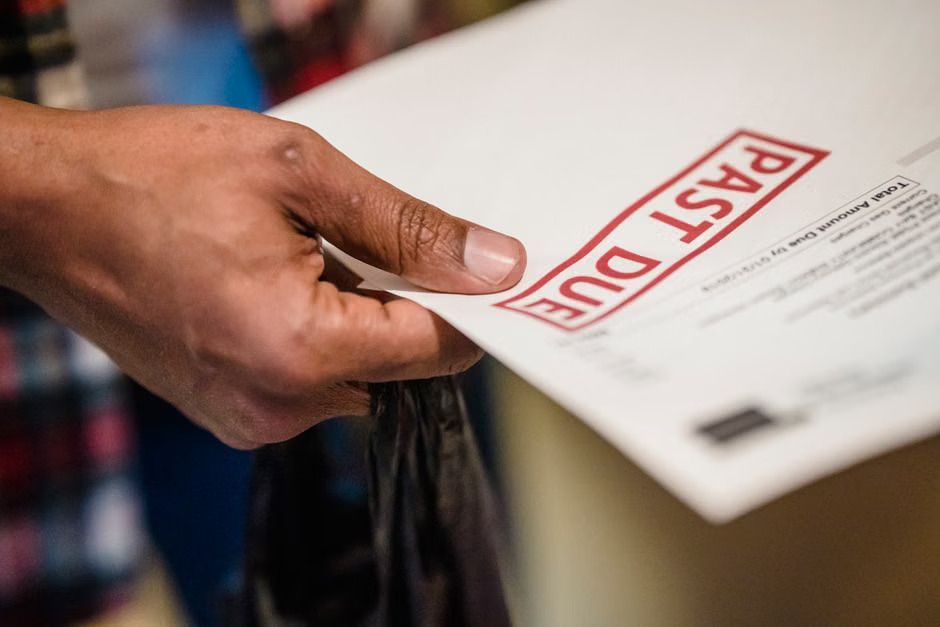
For freelancers, landlords, contractors, and small business owners, there’s nothing more frustrating than completing the work, sending the invoice, and then… waiting. Days turn into weeks, reminders go unanswered, and the unpaid balance begins affecting your cash flow. While it may be tempting to assume that hiring a lawyer or filing a lawsuit is the only solution, that's often not the case.
If you're looking to resolve unpaid invoices, there are practical alternatives that can save both time and money. In many situations, online arbitration provides a structured and legally binding way to settle payment disputes without the lengthy process of going to court.
If you've been wondering how to resolve unpaid invoices quickly without a lawyer, this guide will walk you through practical steps, explain when arbitration makes sense, and share tips to help prevent future payment issues.
Why Unpaid Invoices Can Become a Serious Problem
An unpaid invoice is more than just a delayed payment it can create a ripple effect throughout your business or property operations.
Common consequences include:
- Reduced cash flow
- Difficulty paying vendors or employees
- Lost time following up with clients
- Damaged business relationships
- Increased administrative costs
- Stress and uncertainty
For landlords, unpaid rent may impact property maintenance or mortgage payments. For small businesses, overdue invoices can limit growth opportunities. Acting early is often the best way to prevent a small issue from becoming a larger dispute.
To better understand the process, learn more about how expedited arbitration works:
What is expedited arbitration and how does it work?
How to Resolve Unpaid Invoices Quickly Without a Lawyer
Many payment disputes can be addressed without hiring legal counsel. The key is following a clear and organized process before considering formal legal action.
Step 1: Review the Original Agreement
Start by checking the contract, lease, service agreement, or purchase order.
Look for details such as:
- Payment due dates
- Late payment terms
- Scope of work
- Invoice requirements
- Dispute resolution clauses
Understanding the agreement helps clarify each party's obligations before moving forward.
Step 2: Confirm the Invoice Was Received
Sometimes, delayed payments happen because an invoice was overlooked or sent to the wrong contact.
Before assuming the worst:
- Verify the correct email address.
- Confirm the invoice was delivered.
- Ask whether additional documentation is needed.
- Ensure the payment instructions are accurate.
A simple follow-up can often resolve the issue quickly.
Step 3: Send a Professional Payment Reminder
Keep communication polite and professional. Rather than making accusations, focus on resolving the matter.
Include:
- Invoice number
- Outstanding balance
- Original due date
- Payment instructions
- A request for an update
Many invoices are paid after a courteous reminder, especially if the delay was unintentional.
Step 4: Document Every Communication
Maintain organized records of:
- Emails
- Letters
- Payment requests
- Phone call summaries
- Text messages
- Updated invoices
Good documentation becomes valuable if the dispute later requires formal resolution.
Step 5: Determine Whether the Debt Is Disputed
This is an important distinction. If the customer agrees they owe the money but simply hasn't paid, continued collection efforts may be appropriate.
However, if the client disputes:
- The quality of work
- Contract terms
- Pricing
- Completion dates
- Scope of services
the situation becomes more than a simple collection issue. It becomes a dispute that may require a neutral decision-maker.
Step 6: Consider Online Arbitration
When negotiations reach a standstill, online arbitration offers an alternative to court litigation.
Instead of spending months navigating the court system, both parties can:
- Submit documents electronically
- Present evidence remotely
- Participate in virtual hearings
- Receive a binding decision from a neutral arbitrator
For many businesses and landlords, online arbitration provides a more efficient path to resolving unpaid invoice disputes.
When Online Arbitration Makes Sense
Not every unpaid invoice requires arbitration, but certain situations make it particularly useful.
Examples include:
Contract Disagreements
A customer claims the agreement was misunderstood or interpreted differently.
Service Disputes
A client refuses payment because they believe the work was incomplete or unsatisfactory.
Business-to-Business Conflicts
Two companies disagree about deliverables, pricing, or payment obligations.
Landlord-Tenant Payment Disputes
Questions about unpaid rent, fees, or lease obligations may benefit from a structured resolution process.
Because arbitration focuses on resolving disputed claims not simply collecting money it provides an opportunity for both parties to present evidence before a binding decision is made.
How to Strengthen Your Case
Whether you negotiate directly or proceed with arbitration, preparation matters.
Gather supporting evidence such as:
- Signed contracts
- Invoices
- Proof of completed work
- Delivery confirmations
- Payment records
- Emails
- Text messages
- Photos or supporting documentation
Organizing these materials in chronological order helps explain the timeline clearly and makes it easier for a neutral arbitrator to evaluate the dispute.
For additional guidance, explore landlord-tenant dispute resolution options
Tips to Prevent Future Unpaid Invoices
While no system can eliminate every payment dispute, a few proactive steps can reduce the risk.
Use Clear Contracts
Clearly define payment terms, deadlines, and dispute resolution procedures before work begins.
Send Invoices Promptly
The sooner an invoice is issued, the sooner the payment process can begin.
Keep Detailed Records
Store contracts, invoices, communications, and payment confirmations in one secure location.
Follow Up Early
Don't wait months before contacting a client about an overdue payment. Early communication often leads to faster resolutions.
Include a Dispute Resolution Clause
Adding an arbitration clause to future agreements can help establish a clear process if disagreements arise later.
Tips for Choosing Online Arbitration
If you're considering arbitration to resolve unpaid invoices, look for a provider that offers:
- A fully online filing process
- Transparent flat-fee pricing
- Clear timelines
- Secure document management
- Virtual hearing options
- Experienced neutral arbitrators
- A straightforward case management system
An efficient online platform helps reduce delays while making the dispute resolution process easier for everyone involved.
If you're dealing with a rental conflict, explore landlord-tenant dispute resolution options at:
Best Arbitration Services for Landlord Tenant Disputes
Conclusion
Learning how to resolve unpaid invoices quickly without a lawyer can save valuable time, reduce costs, and help protect your business relationships. While many overdue payments can be settled through professional communication and organized follow-ups, some disputes require a more structured solution.
When disagreements involve contract terms, service quality, lease obligations, or payment responsibility, online arbitration offers an efficient alternative to lengthy court proceedings. By allowing both parties to present evidence in a fully digital process, arbitration can provide a fair and legally binding resolution without unnecessary complexity.
Resolve Your Dispute or Join as an Arbitrator
If you're ready to resolve your dispute quickly and affordably, Expedited Arbitration Services offers a streamlined online process designed to help individuals, landlords, tenants, property owners, and businesses reach binding resolutions without lengthy court proceedings. With neutral arbitrators, flat-fee pricing, and cases that can often be completed in approximately 45 days, it's a faster alternative to litigation.
Start your arbitration today and take the first step toward resolving your dispute.
Expedited Arbitration Services
2057 Flatbush Ave
Brooklyn, NY 11209
Phone: 929-232-7583
Email: info@EAS.Legal
Website: www.expeditedarbitrationservices.com
If you are an arbitrator looking to expand your professional reach, join the Arbitrator Directory to showcase your expertise and receive opportunities for arbitration appointments. Becoming part of the directory helps connect you with parties seeking qualified, neutral professionals for dispute resolution.
Join the Arbitrator Directory today.
Arbitrator Directory
Website: www.arbitratordirectory.com
FAQ
1. Can I recover unpaid invoices without hiring a lawyer?
Yes. Many unpaid invoice disputes can be resolved without legal representation by communicating directly with the customer, sending formal payment reminders, negotiating a settlement, using mediation, or pursuing arbitration if both parties have agreed to it.
2. What is the fastest way to resolve an unpaid invoice?
The fastest approach often starts with a clear payment reminder followed by direct negotiation. If the dispute cannot be resolved informally, online arbitration can provide a faster and more structured alternative to court litigation.
3. When should I consider arbitration for an unpaid invoice?
Arbitration is a good option when there is a disagreement over whether payment is owed, the amount due, or the terms of a contract. It allows a neutral arbitrator to review the evidence and issue a binding decision without going through a lengthy court process.